03
What's Included in Amagansett
- Moisture Source Location
- HEPA Air Filtration
- Attic Mold Cleanup
- Bathroom Mold Cleanup
- Humidity Control
- Mold Inspection
- Mold Removal
- Basement Mold Cleanup
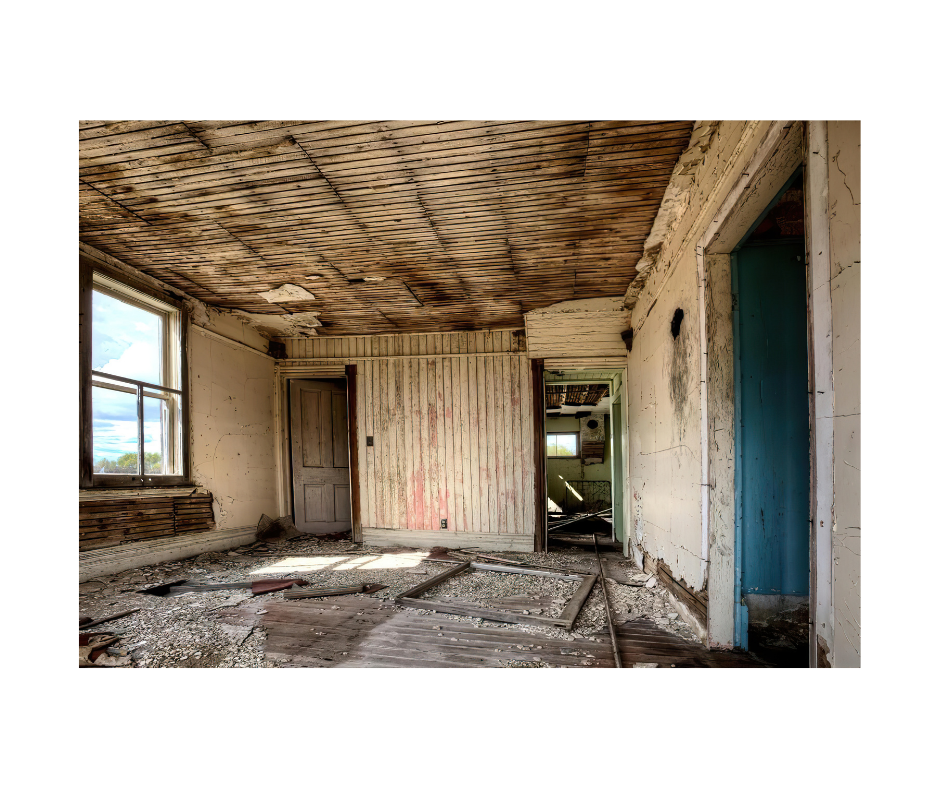
Musty odors and visible growth in Amagansett are signs to act. Crews assess the extent, contain the area, and remove mold safely. Referral hotline: your call is routed to a licensed, insured local restoration company.
Call 516-755-3781
Amagansett, on Long Island's East End, borders or sits near Montauk, East Hampton and Wainscott. Seasonal homes that sit closed up are a common setting for hidden mold on the East End.
Mold after coastal flooding usually begins inside wall cavities where materials stayed wet. Large footprints with rarely used rooms have areas with little airflow where moisture can linger. Drying and dehumidification afterward are what keep mold from returning in a damp coastal setting.
That is why acting early matters in Amagansett: mold spreads wherever moisture stays.
Crews also serve nearby Montauk, East Hampton and Wainscott. Crews also handle water damage in Amagansett and fire and smoke damage in Amagansett.
Typical steps are inspection, containment, air filtration, removal of affected materials, cleaning and treatment, and verification that the area is clear.
It shouldn't if the moisture source is corrected. Remediation pairs removal with drying and moisture control.
Yes. Closed houses with no airflow or dehumidification can grow mold quickly, especially in humid weather.
Some people are more sensitive than others, and mold can trigger allergy and breathing symptoms. Remediation removes it safely and reduces exposure.
Duration depends on the size and location of the growth, and crews give a clearer estimate after inspection.