01
What's Included in Islip
- Burst Pipe Cleanup
- Sewage Cleanup
- Appliance Leak Cleanup
- Structural Drying
- Basement Water Removal
- Content Restoration
- Water Mitigation
- Humidity Control
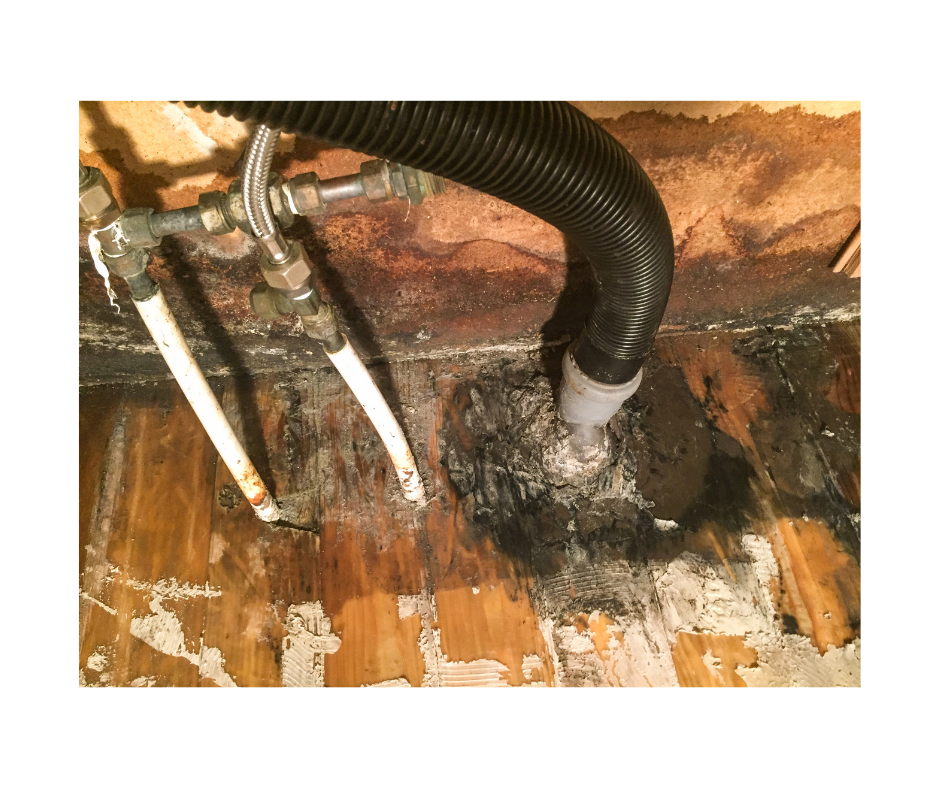
When water gets into a Islip home, the first hours matter most. Crews extract standing water and begin structural drying right away. Referral hotline: your call is routed to a licensed, insured local restoration company.
Call 516-755-3781
Islip (11751), on the south side of Suffolk County, borders or sits near East Islip, West Islip and Great River. MacArthur Airport in Islip recorded 13.26 inches of rain on August 13, 2014, a New York State 24-hour record.
The National Weather Service recorded record flooding along the Great South Bay during Hurricane Sandy in 2012, with surge of roughly 6 to 7 feet on the southwest Suffolk shore. With flood-zone properties common here, crews put real effort into clear records of the loss for carriers and flood policies. Bay flooding is salt water carrying silt and debris, so cleanup goes well beyond the drying used for a clean-water pipe break.
Knowing these local patterns helps crews in Islip look in the right places first and avoid repeat problems.
Nearby areas served include East Islip, West Islip and Great River. Crews also handle fire and smoke damage in Islip and mold remediation in Islip.
Trapped moisture inside walls and subfloors can lead to mold growth within a day or two, along with warped flooring and weakened materials.
A backup is sewage, not clean water, so crews contain the area, remove affected materials, and sanitize. Coverage for sewer or septic backup varies by policy, so ask your carrier.
Often, yes, when drying starts quickly and uses proper equipment. Materials that stayed wet too long may need replacement.
Yes. Salt-water flooding calls for extraction, removal of contaminated materials, sanitizing, and thorough drying, and documentation matters for flood-policy claims.
Cost depends on the extent of the damage, the materials affected, and how long water sat. Covered losses are often billed to the insurance carrier directly, and the on-site evaluation is free.